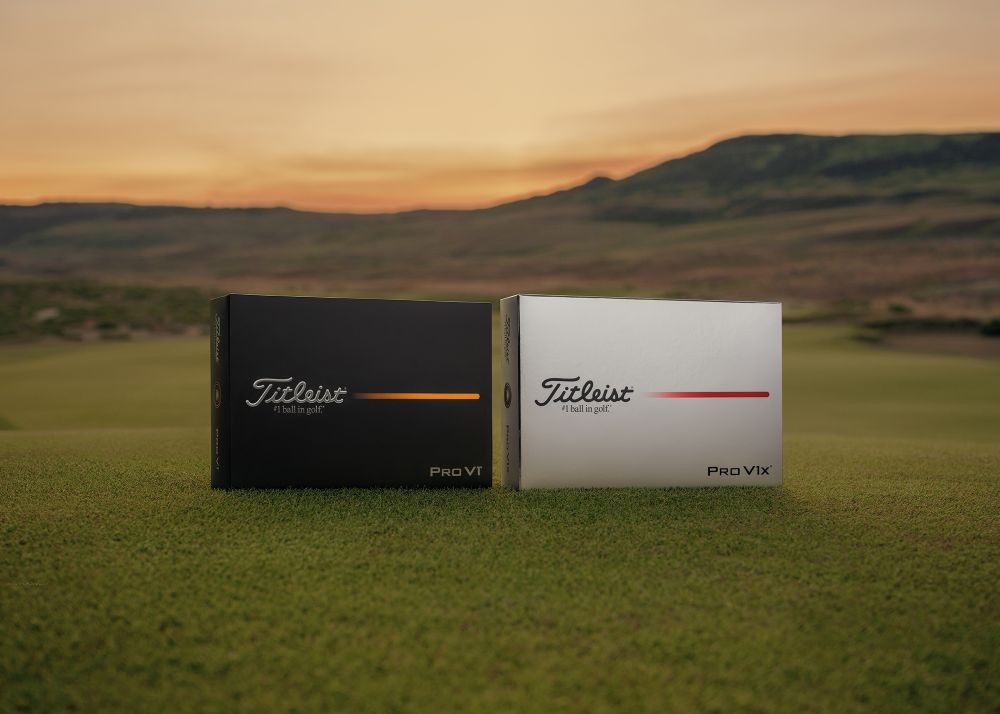
If you've ever stood in a golf shop — or browsed a used ball site — staring at two nearly identical boxes trying to figure out which one is right for you, you're not alone. The Pro V1 and Pro V1x are the most-played balls on the PGA Tour and have been the benchmark in premium golf balls for 25 years. But the question every golfer eventually asks is the same: which one should I be playing?
In this guide, we’ll break down the 2025 High-Gradient Core technology, trajectory differences, and how to choose the right model without the 'Tour-level' price tag.
Titleist released the 2025 Pro V1 and Pro V1x in January 2025 — the 25th anniversary edition of the franchise. The headline changes: more speed off the tee, more spin with irons and wedges, and a refined dimple design on both models. The core performance philosophy hasn't changed. The execution has gotten sharper.
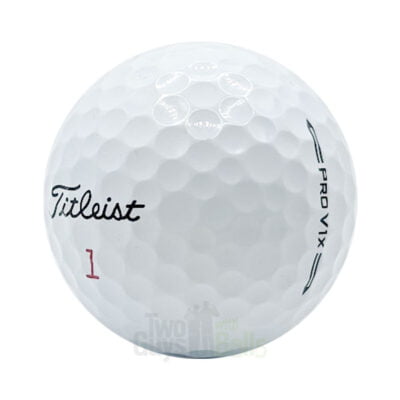
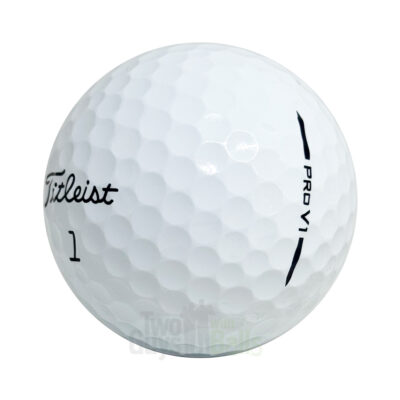
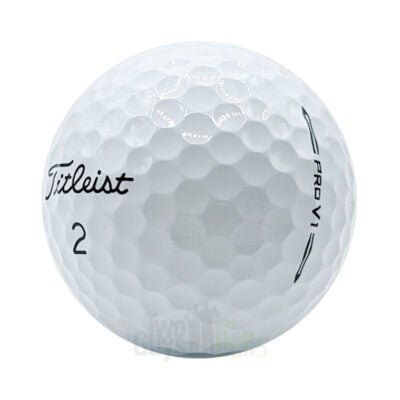
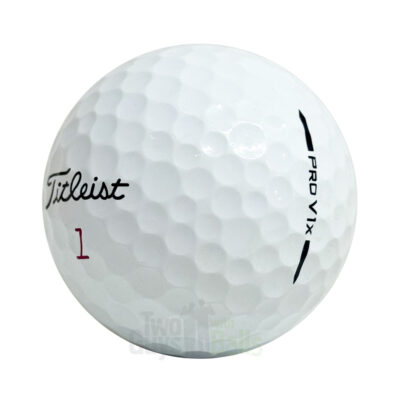
The differences start on the inside. Understanding the construction is the fastest way to understand the performance.
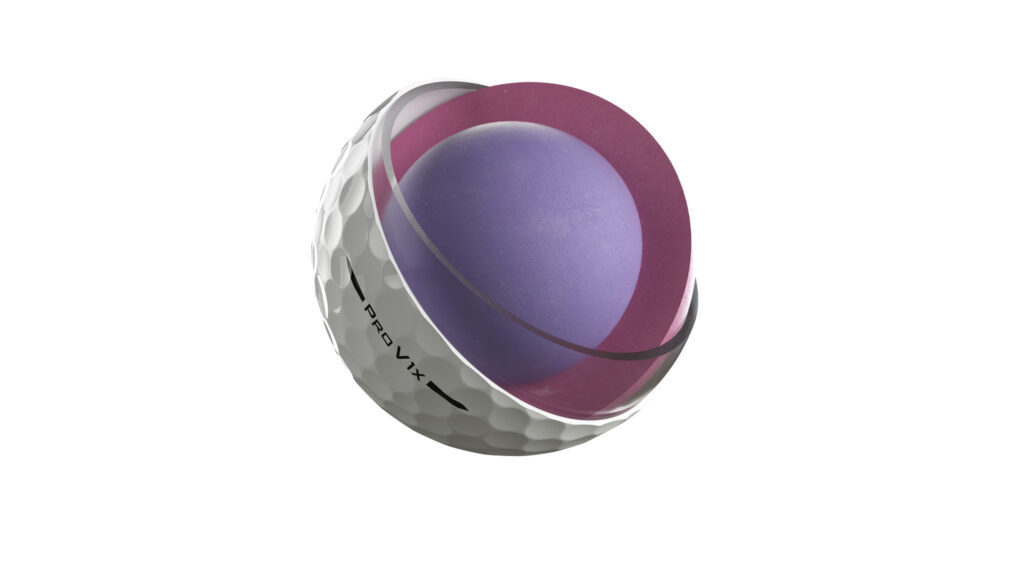
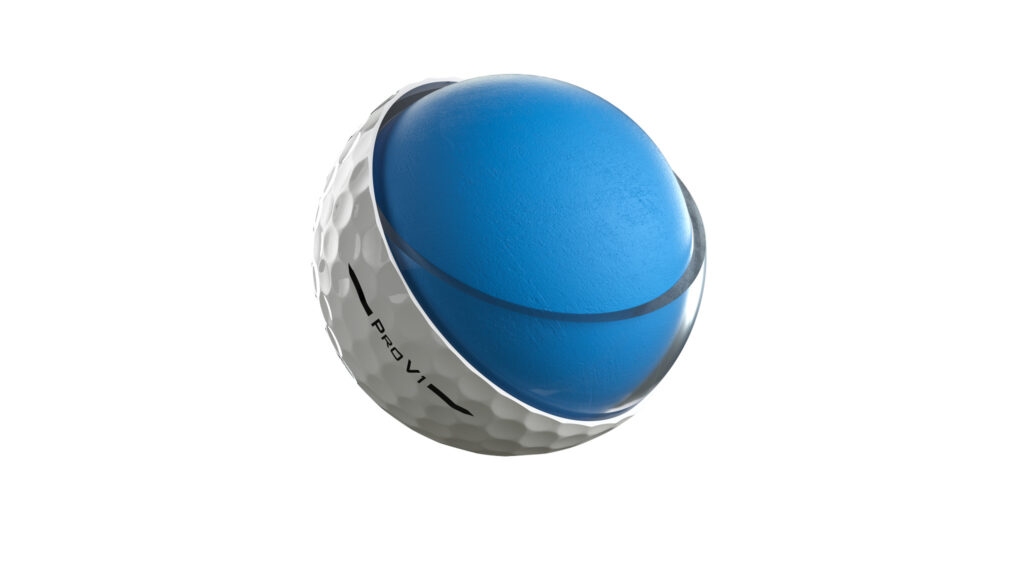
| Pro V1 | Pro V1x | |
|---|---|---|
| Construction | 3-piece | 4-piece |
| Core | Single high-gradient core | Dual core (high-gradient) |
| Compression (Feel) | ~98 (softer) | ~108 (firmer) |
| Cover | Cast urethane elastomer | Cast urethane elastomer |
| Dimple Design | 388 tetrahedral dimples | 348 tetrahedral dimples |
| Ball Flight | Lower, more penetrating | Higher launch |
| Feel | Softer | Firmer, slight click |
| Number Color | Black | Red |
This is where the two balls separate most visibly. The Pro V1 delivers a penetrating flight that bores through the wind. If you play in breezy conditions (like a spring day in Wisconsin), this is your ball. The Pro V1x is the 'Apex Hunter'—it flies roughly 2 yards higher at its peak, giving you a steeper descent angle to stop the ball on firm greens.
Both balls use the same cast urethane cover, which is why the feel difference is more subtle than most golfers expect. The Pro V1 compresses softer (98 vs. 108), which translates to a softer sensation off the putter and wedge. The Pro V1x produces a slightly firmer, more "clicky" sound — a feel many better players prefer for feedback. Off the driver, most golfers won't notice a meaningful difference.
In the short game, the Pro V1x produces measurably more spin — approximately 260 to 400 RPM more on pitch shots depending on distance. That extra spin gives the Pro V1x more bite on approach shots, particularly from tight lies. Off the driver, both balls perform similarly — spin differences in the long game are minor and player-dependent.
Neither ball is universally longer than the other. High-speed players with plenty of natural spin often find the Pro V1 more efficient because it helps reduce driver spin. Players who struggle to generate spin may find the Pro V1x adds carry. Titleist's own fitting data confirms this — Jake Knapp plays Pro V1 because it controls his excess spin. Justin Thomas plays Pro V1x because he needs that extra 'zip' around the greens. Conversely, Scottie Scheffler chooses the Pro V1 to keep his flight stable and predictable under pressure.
The right ball is the one that fits your swing — not the one on the more popular shelf.
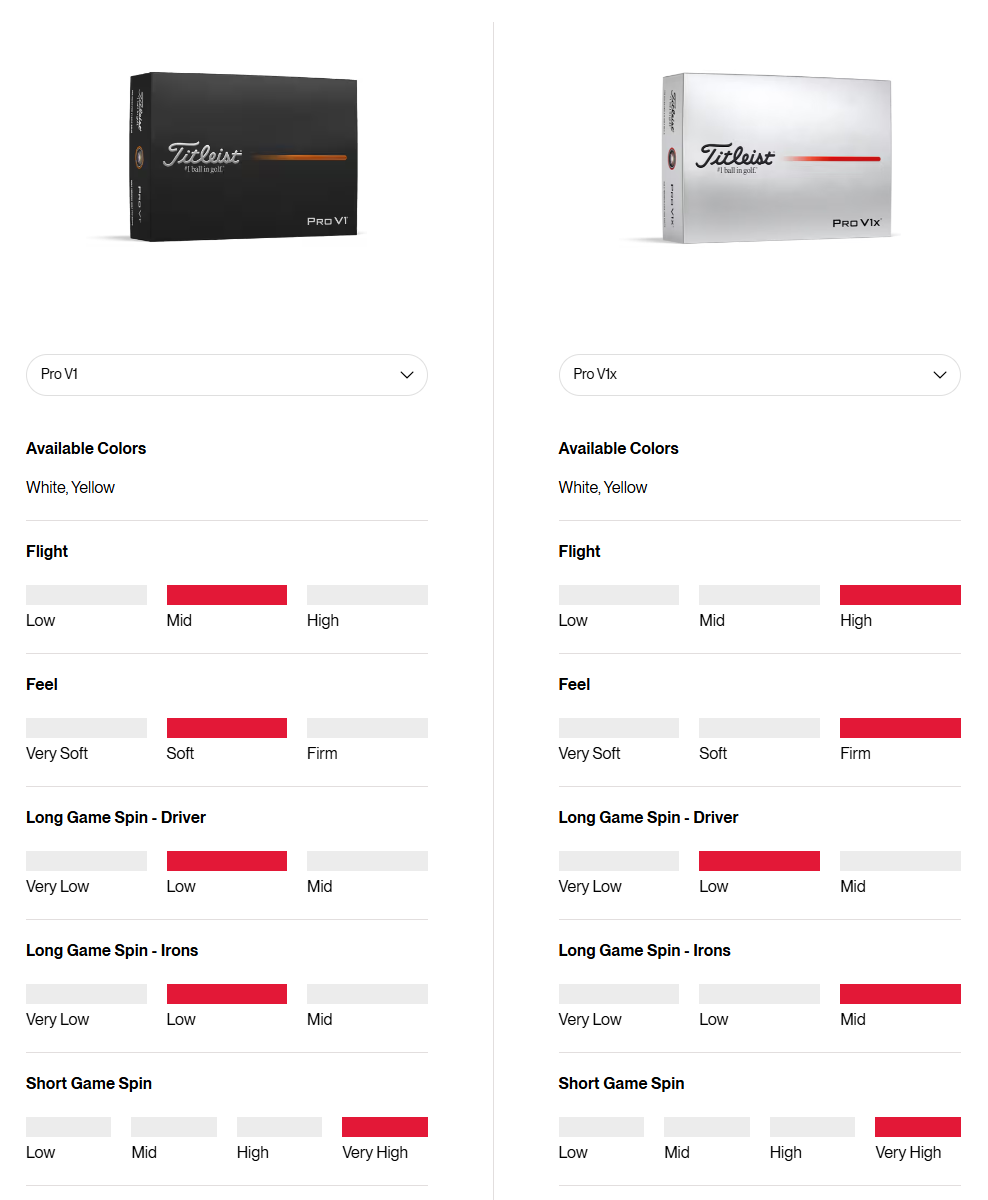
Tour players on the Pro V1: Scottie Scheffler, Viktor Hovland, Tony Finau, Adam Scott.
Tour players on the Pro V1x: Justin Thomas, Jordan Spieth, Matt Fitzpatrick.
If you love the firm feel of the Pro V1x but want the lower spin of the Pro V1, you should look into the Pro V1x Left Dash. It’s a specialty 'Tour' ball that bridges the gap for high-speed players who need maximum distance with a firm feel. We occasionally have these in stock—keep an eye on our Titleist Pro V Collection for these rare finds.
If you're genuinely in between — and most golfers are — start with the Pro V1. Titleist's own positioning describes it as the optimal choice for most players and the most-played ball in golf. The Pro V1x is the right tool when you have a specific performance need it addresses better.
If you want a deep dive into your specific launch monitor numbers, you can also use the official Titleist Golf Ball Selector Tool to see how they categorize your swing.
Yes, but probably less than you think. Both balls have the same urethane cover, deliver tour-level greenside control, and hold up well through a full round. Independent testing consistently finds the performance gap between Pro V1 and Pro V1x smaller than the gap between either of them and a lower-tier ball.
The bigger question for most amateur golfers isn't which Pro V1 — it's whether you need to pay full retail price to play one at all.
A new dozen Pro V1 or Pro V1x runs $55–$60 at retail. That price point causes most golfers to either avoid them entirely or change their behavior on the course — laying up when they shouldn't, getting frustrated over lost balls, second-guessing shot selection.
At Two Guys with Balls, we believe you shouldn't have to play a 'cheap' ball just to save money. We grade our inventory on a strict Grading Scale:
Eagle and Birdie grade used Pro V1s play the same ball you see on tour. The urethane cover is intact, the core is unaffected by normal play, and the performance holds. You're paying less because the ball has a round or two on it — not because it performs any differently.
And every order ships a dollar to veterans and first responders. That's not a promotional line — it's how we operate.
Since we sell the highest quality used inventory, we often carry multiple "generations" of the Pro V1. While Titleist improves the ball every two years, the core DNA remains consistent. Here is how the recent models stack up:
The newest kids on the block. These feature the most refined High-Gradient Core to date.
This was a massive leap for Titleist. They introduced the High-Gradient Core here to significantly drop long-game spin.
This generation introduced the 388 (Pro V1) and 348 (Pro V1x) dimple patterns that are still used today.
Expert Identification Tip: Check the sidestamp (the alignment arrow).
- 2025: Features a subtle grey gradient and refined arrow points.
- 2023: A solid grey line with distinct, boxed-in arrows.
- 2021: Features a black sidestamp with a more traditional "pointed" arrow design.
Pro V1 if you want soft feel and a lower, more penetrating flight. Pro V1x if you want firm feel, higher launch, and more spin on scoring shots. Both are excellent golf balls. Neither will fix a swing — but the right one, played with confidence, won't get in your way.
Buy a sleeve of each, play a few holes on a practice round, and let your game tell you which one fits.
Is Pro V1 or Pro V1x better for high handicappers? Most high handicappers benefit from the Pro V1 because its lower long-game spin helps keep slices and hooks a bit more manageable.
How can I tell the difference between a 2023 and 2025 Pro V1? Look at the "sidestamp" (the aiming line). Titleist updates the arrows and lines every two years. The 2025 model features a refined grey alignment aid that differs slightly from the 2023 version.
Do used golf balls lose distance? Only if they have been underwater for months or have deep scuffs. Our 5A Mint balls are tested to ensure they provide the same compression and distance as a ball fresh out of the sleeve.
Which ball is better for cold weather? In cold weather, the Pro V1 is usually preferred. Because it is softer, it is easier to compress when the temperature drops, whereas the firmer Pro V1x can feel like hitting a rock in 40-degree weather.
Does the color of the number on the ball matter? Yes! It's the quickest way to tell them apart in your bag. Pro V1 has black numbers, and Pro V1x has red numbers.
Can I mix Pro V1 and Pro V1x in the same round? Technically yes, but we don't recommend it. Because the flight and spin rates are different, your "distance yardages" will change between balls, making it harder to stay consistent. Pick one and stick with it for the full 18.